Effective Methods for Successful Pet Training: A Comprehensive Guide
Effective pet training requires a nuanced understanding of canine actions. It rests on the principles of favorable support and consistency. Trainers should identify the relevance of crucial commands and socializing. Dealing with usual behavioral issues can transform a pet dog's disposition. As the bond in between owner and canine enhances, the means they communicate evolves. The journey of effective training encompasses numerous techniques that may surprise even experienced family pet proprietors. What are the crucial elements that can make a substantial distinction?
Comprehending Pooch Habits
Understanding canine behavior is important for efficient pet dog training, as it permits fitness instructors to translate a canine's activities and reactions in different scenarios. Canines connect primarily with body movement, vocalizations, and faces. Recognizing indications of worry, aggression, or tension can aid instructors change their approaches to guarantee a positive training experience. For instance, a wagging tail does not always indicate happiness; the context and other body signs must be thought about.
Furthermore, understanding a pet's breed-specific characteristics can provide insights into their behavior patterns and impulses. Socializing plays a critical role in shaping a pet's actions to new individuals and atmospheres. Observing a pet's play design can additionally disclose their temperament and convenience levels. By meticulously evaluating these behaviors, fitness instructors can create customized approaches that promote understanding and reinforce the bond in between pet dog and owner, eventually leading to more effective training end results.
The Importance of Positive Reinforcement
Favorable support is an essential approach in dog training that boosts the learning procedure by rewarding preferred habits. This technique encourages dogs to repeat activities that produce positive end results, such as treats, praise, or playtime (Dog Training Near Me). By connecting etiquette with rewards, pets come to be more determined and engaged throughout training sessions
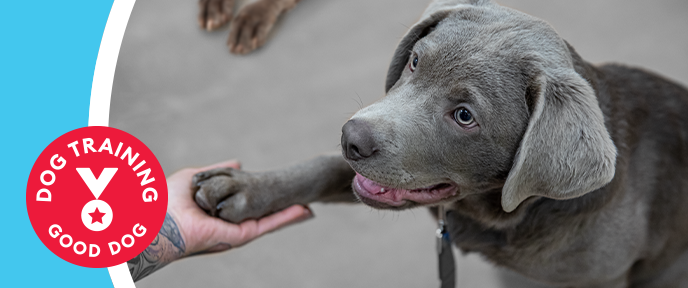
Including positive support right into training regimens can cause quicker discovering and much better retention of commands. It advertises a cheerful ambience that improves both the pet's experience and the fitness instructor's satisfaction, making it a basic aspect of efficient canine training.
Necessary Commands Every Dog Must Know
Producing a Regular Training Set Up
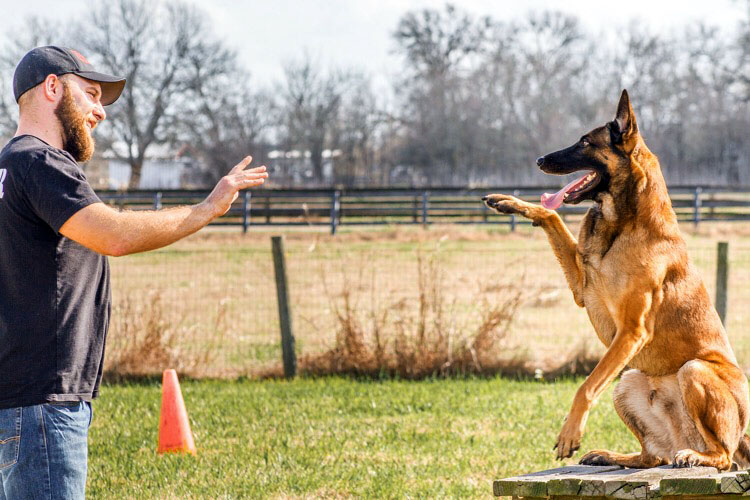
Developing a constant training schedule is essential for effective pet dog training, as it helps strengthen discovering and develops a feeling of regular for the pet. An organized strategy enables both the pet and the fitness instructor to expect training sessions, which can boost focus and involvement. Ideally, training sessions ought to be brief, long-term between 5 to 15 mins, to keep the pet's focus and excitement.
Including training right into everyday activities, such as mealtime or walks, can likewise promote consistency. This assimilation helps pets associate training with favorable experiences. It is essential for instructors to continue to be flexible; unanticipated events might necessitate adjustments to the schedule.
Additionally, rep is essential. Normal practice of actions and commands solidifies discovering and develops self-confidence. By sticking to a constant schedule, instructors can assure that their dogs create excellent practices and react dependably to commands, laying the groundwork for efficient training results.
Socializing: Secret to a Well-Adjusted Pet
Socializing is necessary for a canine's development, influencing their behavior and interactions with people and various other animals. Early direct exposure to different settings, appears, and experiences can greatly enhance a pet dog's flexibility and confidence. Utilizing effective socialization techniques can aid assure a well-adjusted canine companion.
Significance of Very Early Socializing
Methods for Effective Socializing
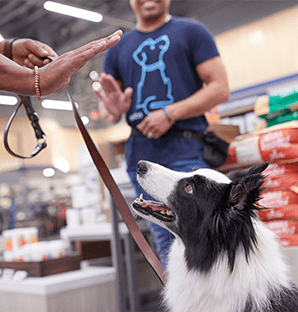
While several pet dog owners acknowledge the significance of socializing, comprehending reliable techniques to facilitate this process is vital for fostering a well-adjusted animal. Progressive exposure to varied environments, people, and various other animals can substantially improve a canine's convenience degree in different situations. Favorable reinforcement plays an important role; gratifying wanted behaviors urges pets to come close to new experiences with self-confidence. Structured playdates with courteous canines assist develop social skills and alleviate concern reactions. Enlisting in obedience courses can also give regulated atmospheres for socialization. Ultimately, preserving a calm demeanor as an owner enhances the canine's sense of security, allowing for more effective communications. like this These methods jointly add to a adaptable and balanced canine buddy.
Managing Typical Behavioral Issues
Dealing with usual behavior concerns is important for maintaining a harmonious relationship between dogs and their proprietors. Key challenges such as aggression, excessive barking, and jumping behavior require targeted approaches to manage successfully. Recognizing the origin triggers of these behaviors can bring about successful treatments and a more balanced canine friend.
Attending To Aggression Issues
Hostility in pet dogs can show up in numerous types, presenting challenges for proprietors and fitness instructors alike. Resolving these problems requires a detailed understanding of the underlying reasons, which might consist of anxiety, resource, or territoriality protecting. Recognizing triggers is important; owners must observe their pet's body language and habits to determine details scenarios that provoke aggression. Favorable reinforcement techniques can successfully customize aggressive habits, gratifying tranquil responses to determined triggers. Consistency is vital, and proprietors need to stay patient throughout the training procedure. Sometimes, expert advice from a certified pet dog fitness instructor or behaviorist may be called for, particularly for extreme hostility. Ultimately, the goal is to produce a safe environment for both the canine and those around it.
Handling Excessive Barking
Extreme barking can be a substantial nuisance for dog proprietors and neighbors alike, commonly signifying underlying issues that need addressing. Identifying the triggers behind the barking is important; these may consist of boredom, anxiety, or a feedback to outside stimuli. Owners must observe their pet's habits and atmosphere to pinpoint the reason. Dog Training Near Me. Implementing constant training strategies, such as favorable reinforcement, can effectively minimize barking. Teaching commands like "peaceful" or rerouting the canine's attention presently of barking can be useful. Additionally, offering adequate physical and mental excitement through workouts and interactive playthings can minimize boredom-related barking. In many cases, speaking with an expert instructor or behaviorist may be essential to develop tailored strategies that address relentless barking worries
Reducing Leaping Habits
Several pets exhibit leaping habits, frequently as a means of sharing exhilaration or looking for focus from their visitors and owners. This behavior can be problematic, especially when it results in unintentional injuries or discomfort for guests. To reduce jumping, proprietors ought to first continue to be calm and stay clear of compensating the behavior with interest, as this can reinforce it. Rather, they can teach an alternate behavior, such as resting, by compensating the pet dog for staying calmness when someone techniques. Consistency is crucial; all member of the family need to enforce the exact same rules. Furthermore, training sessions should consist of disturbances to assist the pet find out to control their impulses. Over time, with persistence and perseverance, jumping can be greatly minimized, resulting in a much more pleasurable environment.
Building a Strong Bond Through Training
Training a dog typically concentrates on habits and commands, it additionally offers as a vital possibility to strengthen the bond between the pet and its owner. Participating in training sessions fosters interaction, shared understanding, and trust. When proprietors invest time in educating their pet dogs, they demonstrate dedication, which assists the pet dog really feel safe and secure and valued. Positive support methods, such as deals with and appreciation, not just encourage desired actions yet also reinforce Clicking Here the psychological connection between the canine and owner.
Additionally, consistency in training develops a feeling of reliability, enabling dogs to comprehend their duty within the house. Each successful command boosts the pet dog's self-confidence, bring about a much deeper relationship. Visit This Link Routine training sessions can come to be delightful bonding experiences, loaded with playfulness and communication - Dog Training Near Me. Ultimately, the process of training goes beyond simple obedience, creating a partnership that improves the lives of both the dog and its owner
Regularly Asked Concerns
What Age Is Finest to Beginning Training a Young Puppy?
The best age to begin educating a pup is commonly in between 8 to 12 weeks. At this phase, puppies are most receptive to finding out, making it an ideal time for foundational training and socialization.
For how long Should Each Training Session Last?
The perfect period for every pet training session generally varies from 5 to 15 minutes, depending upon the pet dog's age and focus period. Short, focused sessions improve learning and retention, making training extra efficient and pleasurable.
Can Older Pets Still Be Trained Effectively?
Older pet dogs can without a doubt be educated effectively. With patience and consistent techniques, they can find out brand-new commands and habits. Their experience frequently makes them much more responsive to training, improving the bond between pet dog and proprietor.
What Equipment Do I Required for Educating?
For effective pet training, important tools consists of a tough chain, a comfortable harness, high-value treats, training remote controls, and a range of playthings. These tools facilitate communication and reinforce favorable behaviors during training sessions.
Exactly how Do I Track My Canine's Training Progression?
To track a canine's training development, one can preserve a journal, record turning points, and note behavioral changes. Normal analyses, including timed commands and obedience tests, aid determine enhancement and identify locations needing additional focus.
Comprehending canine behavior is necessary for reliable pet training, as it permits instructors to translate a pet's actions and responses in numerous scenarios. Developing a constant training schedule is important for reliable canine training, as it assists enhance discovering and produces a feeling of routine for the pet dog. Training a canine frequently focuses on actions and commands, it additionally offers as a crucial opportunity to strengthen the bond between the pet and its owner. When proprietors spend time in teaching their canines, they demonstrate commitment, which aids the dog really feel safe and secure and valued. The excellent period for each canine training session typically varies from 5 to 15 mins, depending on the canine's age and attention span.